Skip to Content

Molasses


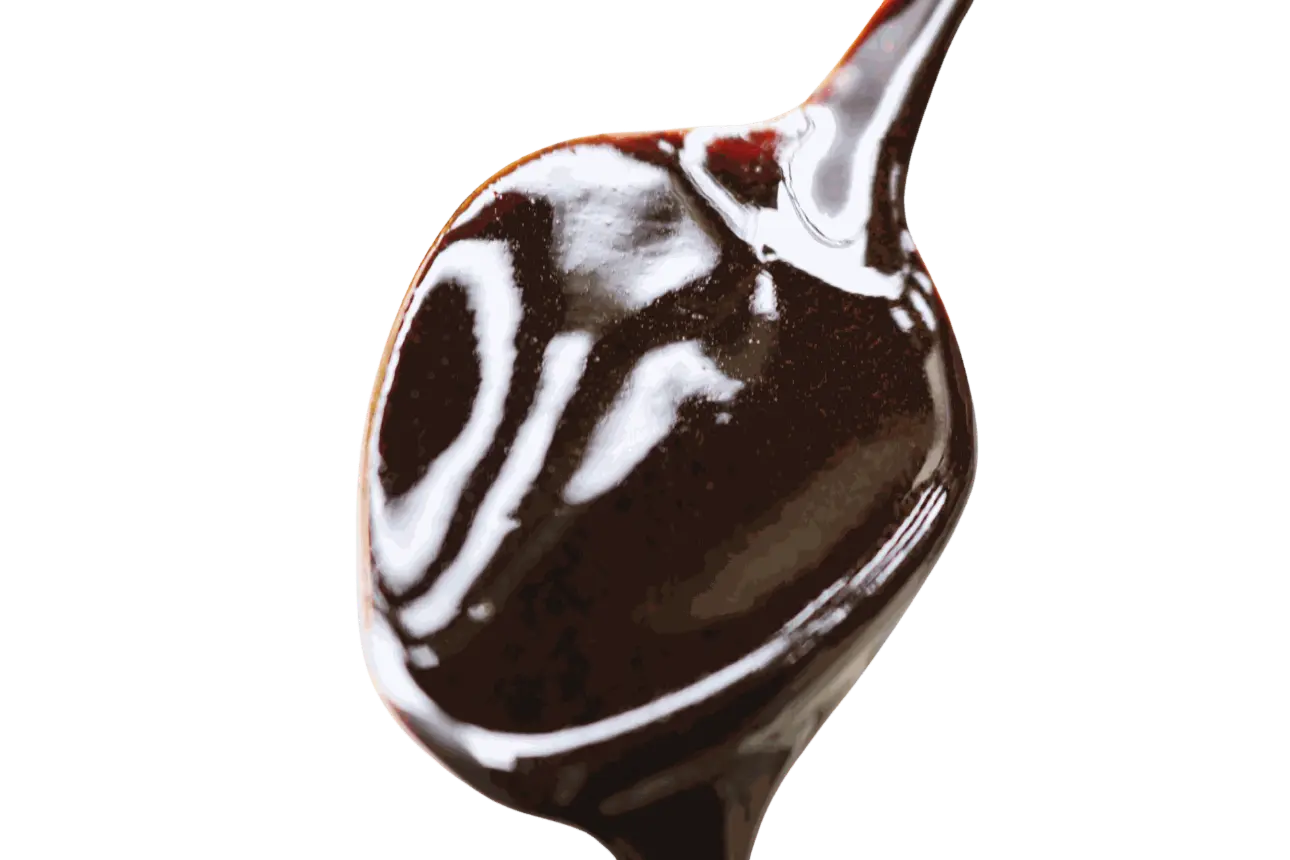
Cane molasses as a leading non-food product. We continue to present cane molasses as a premium feed for your livestock. 

Request a Quote

Description


Molasses or sugarcane syrup is a type of waste syrup left over from the process of crystallizing granulated sugar. Molasses is not crystallized because it contains glucose and fructose that do not crystallize further. Sugarcane syrup is highly needed for the livestock and agricultural industries. Sugarcane syrup is often used as a feed/drink additive for livestock, as an ingredient in animal herbal medicine, for the fermentation of feed and animal waste, as a chemical industry material, as an ethanol energy industry material, as a construction industry material, and as a raw material for the food industry. 

Raw Materials


The raw material used in the production of crystal sugar is sugarcane (Saccharum Officinarum), which can grow in paddy fields, land, and areas with tropical and subtropical climates. The part of the sugarcane plant that will be processed is the stalk that contains sugar (Sucrose). The yield value of sugarcane is an important factor in sugar production. The higher the yield, the more sugar is produced.

The factors that influence sugarcane yield are soil conditions, climate, rainfall, altitude, variety, crop maintenance, transportation, and handling before milling.

Sugarcane is classified as:

  • Family: Gramineae
  • Sub Family: Andropagane
  • Genus: Saccharum
  • Species: Saccharum Officinarum

Sucrose is a carbohydrate that is classified as a disaccharide. Sucrose is produced from the biochemical synthesis of two monosaccharides, namely D-Glucose and D-Fructose.

The monosaccharides that form sucrose are produced from the photosynthesis process of CO2 gas and H2O with the help of sunlight. The management of the environment and the supply of raw materials are handled by the harvesting and transportation section of the plant.

To control the quality of the cane, the factory stipulates that the sugarcane allowed for milling must meet the MBS requirements:

  1. M: (Manis) Sweet, the sugarcane must be ripe or mature.
  2. B: (Bersih) Clean, the harvested sugarcane sent to the factory must be free from impurities (leaves, shoots, roots, soil, etc.).
  3. S: (Segar) Fresh, the time from when the sugarcane is cut until it enters the mill should be less than 36 hours.
Production Process

 Cane molasses is a sweet liquid produced from sugarcane. The production process can involve several stages, depending on the extraction and processing methods that are desired. Here is the process of making cane molasses.

  1. Cane Selection: Selecting fresh and high-quality sugarcane, with the sugarcane being still young.
  2. Sugarcane Pressing: The initial process in making sugarcane molasses is to extract the juice from the sugarcane. The extraction process uses a sugarcane press machine to facilitate this process. Cut the sugarcane into small pieces and place them into the press machine. Squeeze the sugarcane until the sweet liquid comes out.
  3. Liquid Filtration: After squeezing the sugarcane, strain the sugarcane juice using a clean cloth or fine strainer to separate the pulp from the juice that has been produced.
  4. Boiling:After the sugarcane juice is filtered, pour it into a pot and heat it over medium heat. Allow the liquid to boil and stir occasionally. This boiling process aims to reduce the amount of water in the sugarcane juice and make it thicker.
  5. Drying: After the sugarcane juice has thickened, the next phase is to further reduce it to create a thicker and more concentrated sugarcane syrup. Pour the sugarcane juice into a clean pot and let it boil again over low heat. Allow the liquid to thicken uncovered so that the water can evaporate.
  6. Packaging: Once the sugarcane syrup has reached the desired consistency, turn off the heat and let the liquid cool. Then, pour the sugarcane syrup into a clean, dry container or glass bottle. Make sure the container or bottle has a tight lid to maintain the cleanliness and freshness of the sugarcane syrup.
  7. Storage: Store molasses in a cool, dark place to maintain its quality. Properly stored molasses can last quite a long time.

Waste Management


PT Kebon Agung has adjusted the waste handling process for sugarcane molasses. Below are the results of the handling process that has been carried out.

1. Liquid Waste

Liquid waste comes from:

a. Sugar solution from pipes that directly enter the drainage.

  • Carried away lubricating oil or fuel materials from wastewater.
  • Evaporator wash water.
  • Condenser injection water.
  • Boiler cleaning water.
  • Boiler cooling water.
  • Factory machine cooling water.

The liquid waste that enters the surrounding environment of the factory is aimed to meet the industrial wastewater quality standards in accordance with applicable regulations. The concentration of organic pollutants measured using BOD and COD parameters can be reduced to meet the established quality standards. BOD is the amount of oxygen required to stabilize organic matter during aerobic bacterial activity. If the BOD value is low, then the pollution is low, resulting in a low oxygen demand. COD is the amount of oxygen required to chemically oxidize organic matter in water. If the COD is low, then the pollution from the waste is low. The handling of liquid waste is carried out in an integrated manner, meaning it is done both externally and internally.

a. Internal Handling

  • Waste minimization
  • Separation of polluted water
  • Prevention of solid pollutants entering the water
  • Recycling of processable pollutants
  • Replacing the use of Pb acetate with Al sulfate in sugar analysis

b. External Handling

Passing polluted water through UPLC, while keeping the amount of waste as small as possible and the concentration of pollutants as low as possible, is expected to not contaminate the environment. The UPLC system (Liquid Waste Treatment Unit) operates biologically with advanced aeration (SAL/PSUL 93-3); in this system, organic materials as pollutants will be degraded and broken down by microbes into CO2 + H2O + energy with the help of oxygen.