Skip to Content

BAGASSE


With environmentally friendly technology, and the latest conservation process produces quality Bagasse. We present Bagasse to be utilized in various industrial sectors. 

Request a Quote

Description


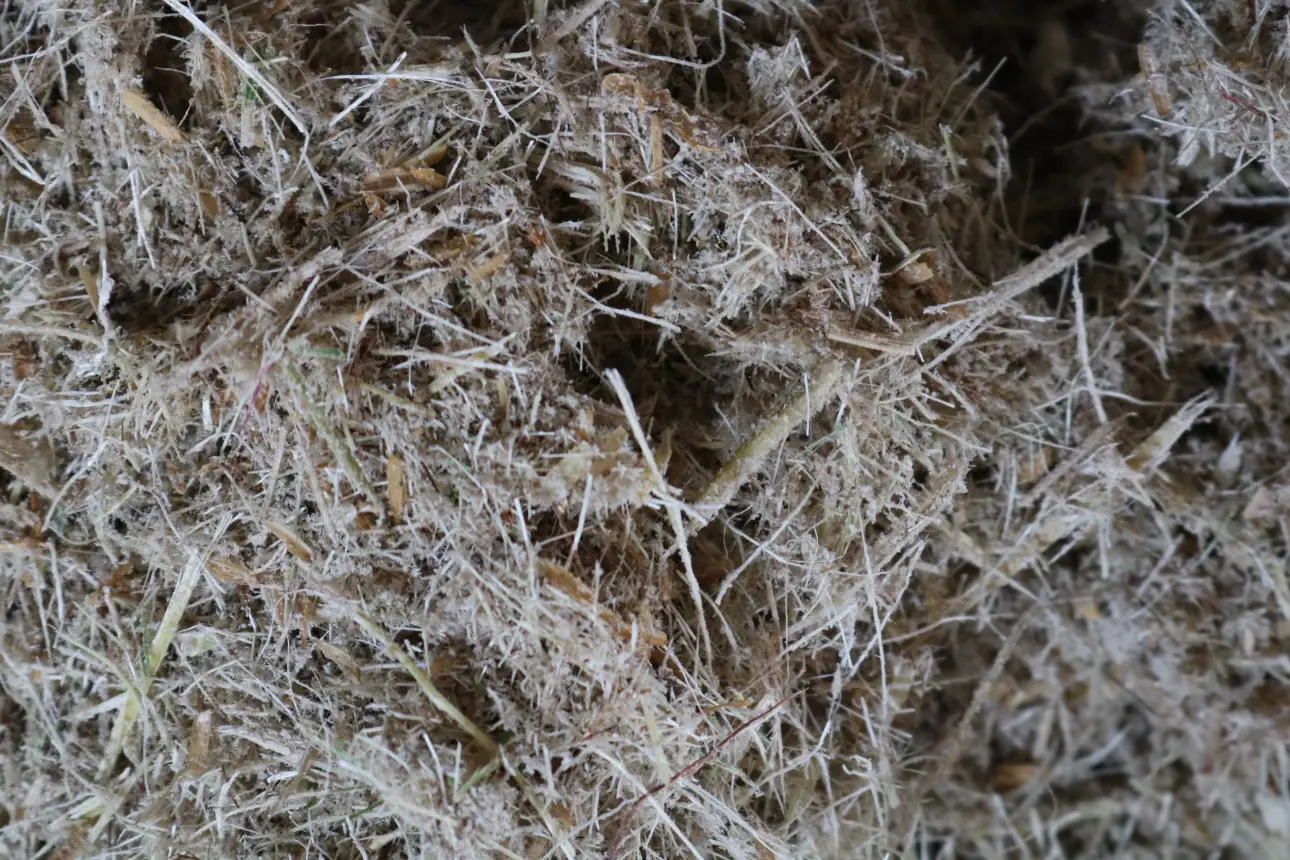
Bagasse is a residue from the process of grinding sugarcane (saccharum oficinarum) after the sap is extracted or removed in the sugar refining process. So that large production results are obtained related to fibrous waste products known as bagasse. 

Raw material

The raw material used in making crystal sugar is sugar cane (Sacharum Officinarum) which can grow in rice fields, fields, tropical and subtropical climates. The sugar cane plant that will be processed is the part of the stem that contains sugar (sucrose). The sugar cane yield value is an important factor in making sugar. The higher the yield, the more sugar is produced.

The factors that influence sugarcane yield are soil conditions, climate, rainfall, altitude, variety, crop maintenance, transportation, and handling before milling.

Sugarcane is classified as:

  • Family: Poaceae
  • Sub Family: Andropogoneae
  • Genus: Saccharum
  • Species: Saccharum officinarum

Sucrose is a carbohydrate that is classified as a disaccharide. Sucrose is produced from the biochemical synthesis of two monosaccharides, namely D-Glucose and D-Fructose.

The monosaccharides that form sucrose are produced from the photosynthesis process of CO2 gas and H2O with the help of sunlight. The management and supply of raw materials are handled by the harvesting and transport section of the plant.

To control the quality of the cane, the factory stipulates that the sugarcane allowed for milling must meet the MBS requirements:

  1. M: (Manis) Sweet, the sugarcane must be ripe or mature.
  2. B: (Bersih)Clean, the harvested sugarcane sent to the factory must be free from dirt (leaves, shoots, roots, soil, etc.).
  3. S: (Segar)Fresh, the time from when the sugarcane is cut until it enters the mill must be less than 36 hours.

Production Process

Here is the process of making sugarcane bagasse 

Here is the process of making sugarcane bagasse:

  1. Cane Juicing: The first process is to juice the cane to produce cane syrup. Then, use a cane juicing machine to facilitate this process. Cut the cane into small pieces and put them into the juicing machine. Press the cane until the sweet liquid comes out.
  2. Liquid Filtration: After squeezing the sugarcane, filter the sugarcane juice using a clean cloth or fine strainer to separate the pulp from the juice that has been produced.
  3. Drying (optional): If you want to dry the sugarcane bagasse for use as fuel or as compost material, you can spread it evenly in an open area that receives direct sunlight. Allow the sugarcane bagasse to dry completely before use.
  4. Usage as Animal Feed: Fresh sugarcane bagasse can be used as animal feed. Sugarcane bagasse contains fiber and nutrients that can be beneficial for livestock such as cattle or goats. Make sure to provide sugarcane bagasse in amounts that are appropriate for the needs and types of livestock you have.
  5. Use as Compost Material: Sugarcane bagasse can also be used as compost material to improve soil fertility. Mix the sugarcane bagasse with other organic materials such as dry leaves, straw, or other plant residues. Allow the mixture to decompose naturally to form nutrient-rich compost.
  6. Use as Fuel: If drying sugarcane bagasse, it can also be used as an alternative fuel. Dried sugarcane bagasse can be used as fuel for cooking or heating. Make sure to store the dried sugarcane bagasse in a safe and dry place.

Waste Management

PT Kebon Agung has adjusted the waste handling process for sugarcane bagasse. Below are the results of the handling process that has been carried out. 

Bagasse is the final product of the Milling Station. The bagasse produced is about 35-45% of the weight of the milled sugarcane. Bagasse is rich in cellulose fiber, about 50%, wax, lignin, and pectin. The bagasse produced after drying is fed into the boiler as fuel. It is also sold for the paper industry and as a medium for mushroom cultivation.